
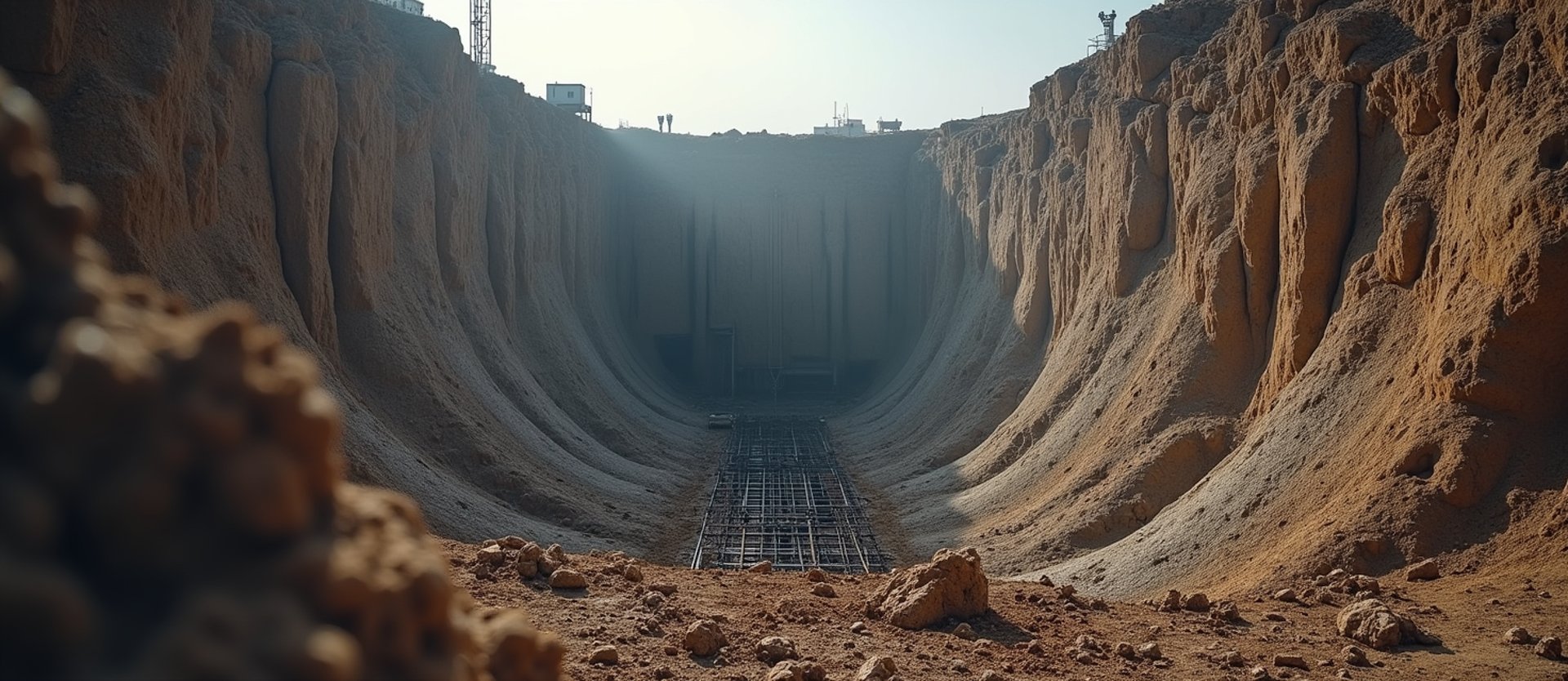
Decoupling mass from motion.
We engineer high-tension rock anchors and base isolation systems to secure critical cultural architecture against extreme lateral shear stresses.
The Museum of Seismic Art
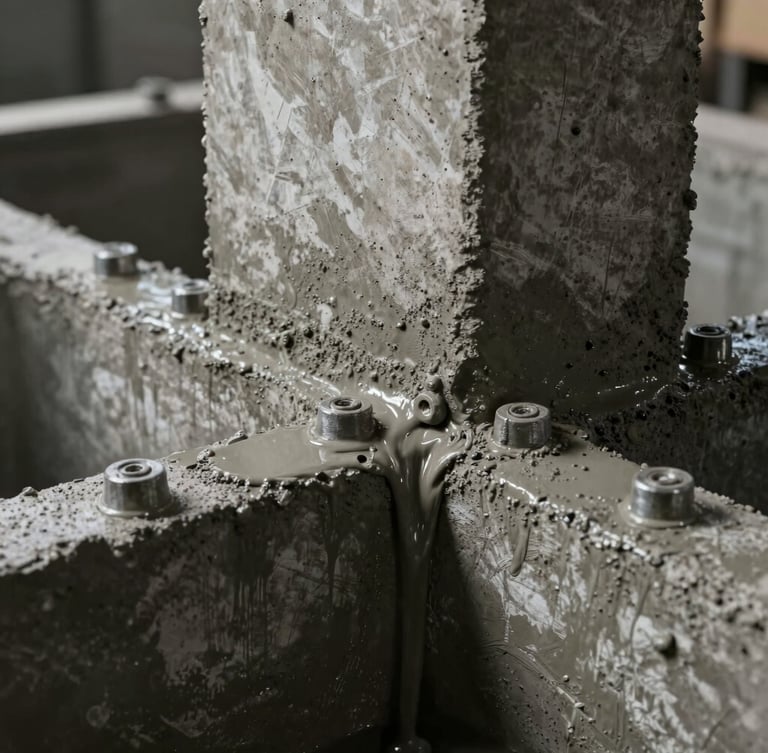
Anchored into fractured Franciscan complex bedrock, this cantilevered concrete pavilion utilizes custom subterranean shear keys to neutralize lateral fault-line acceleration.
Shear Stress Mitigation
Our soil-structure interaction analysis dictated a grid of forty-eight high-capacity rock anchors, drilled sixty meters into bedrock to resist overturning moments.
98% Shear Reduction
Calculated lateral force dissipation during peak ground acceleration events, ensuring zero structural failure under maximum seismic load.
Subterranean Interface Design
Detailed schematics of our base isolation and tension anchoring systems designed to protect high-risk public institutions from seismic failure.
Base Isolation
Rock Anchors
Shear Keys
Elastomeric bearings decouple the superstructure from horizontal ground motion, preserving structural integrity during severe lateral displacement events.
High-tensile steel tendons post-tensioned directly into bedrock to counteract vertical seismic uplift and prevent differential settlement under load.
Subterranean concrete shear keys key the foundation into dense soil strata, preventing lateral sliding and stabilizing the structural interface.
Technical Consultation
Submit your site parameters and architectural load requirements to receive a preliminary subterranean feasibility review from our senior structural engineering team.
Initiate Structural Analysis
Our principal engineers analyze complex soil-structure interactions to resolve lateral force challenges and secure structural integrity before excavation begins.